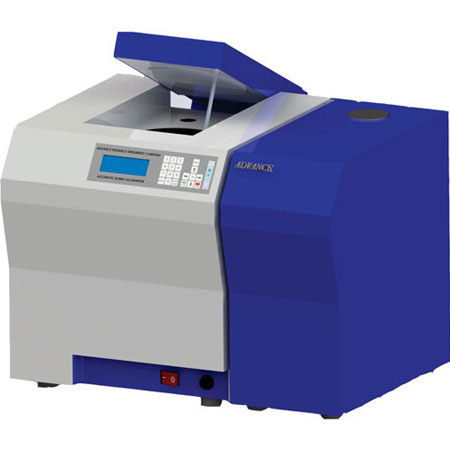
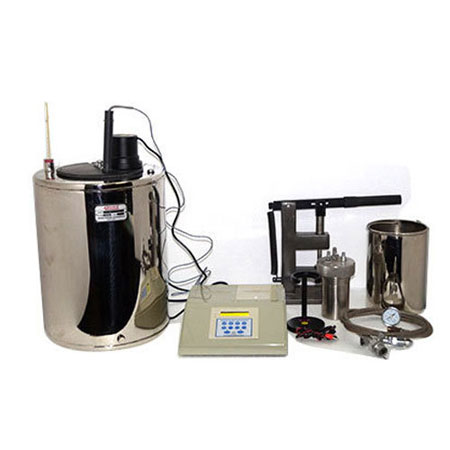
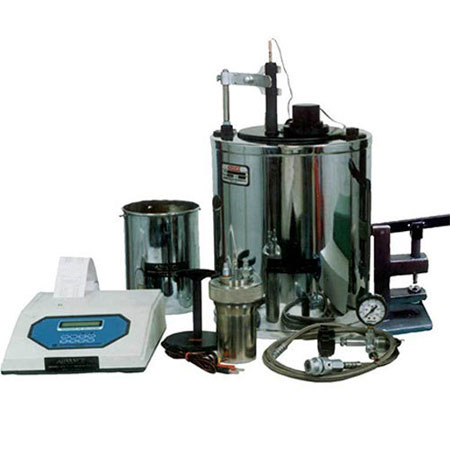
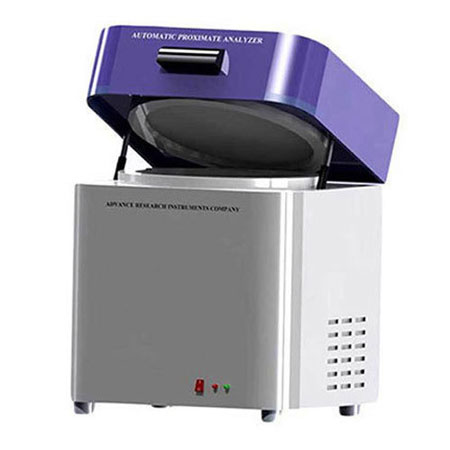
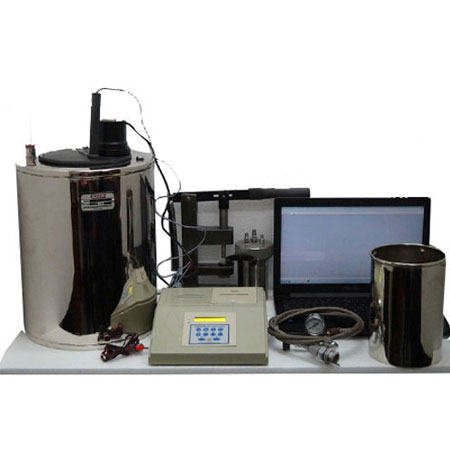
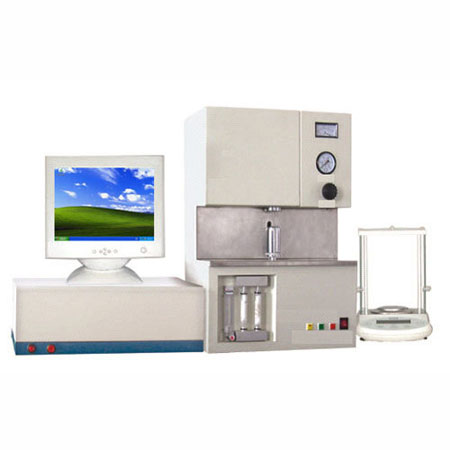
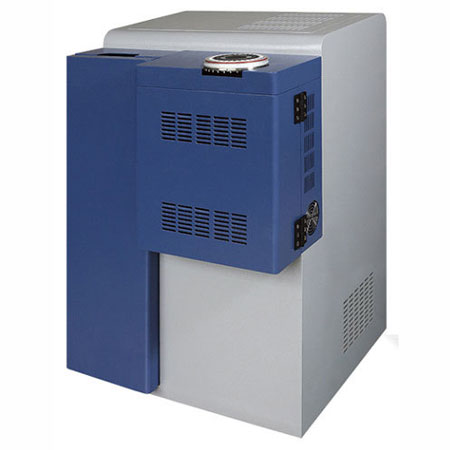
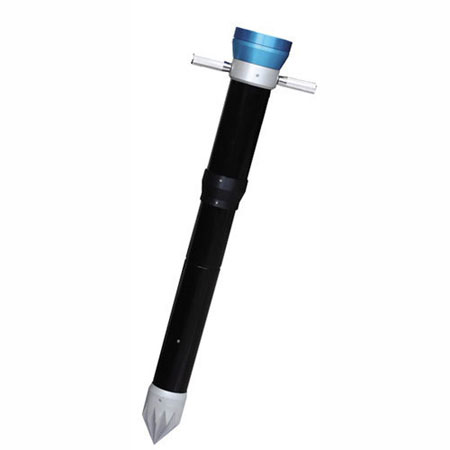
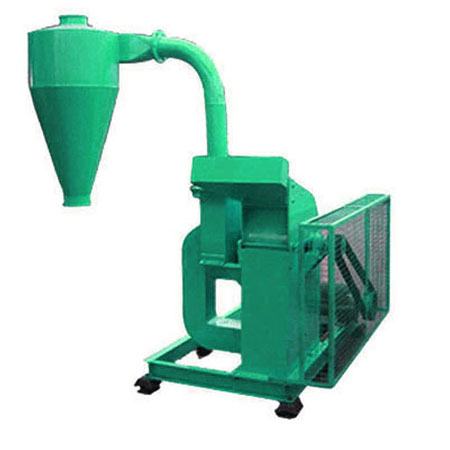
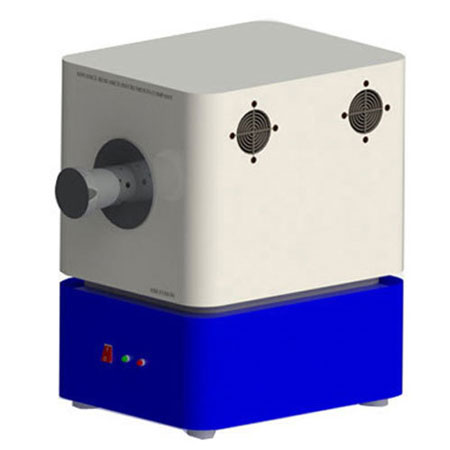
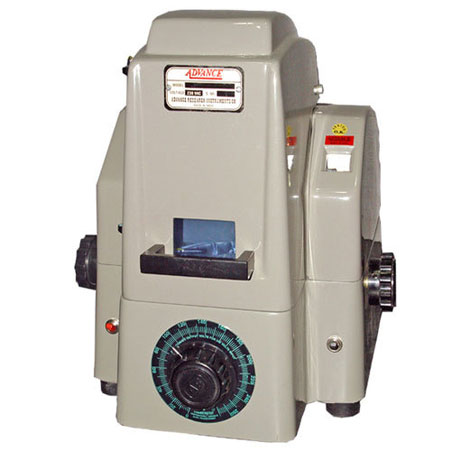
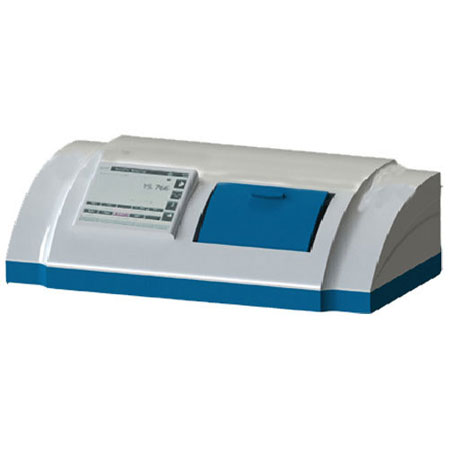
Key Features
- The instrument uses Colorimetric Titration to measure the Sulfur content
- Precise temperature control is achieved using a PID algorithm which ensures high accuracy and reliability
- The instrument has a over-temperature protection device and electrolyte anti-back flow facility, thus making the system safe and reliable
- Maximum automation is achieved whereby Temperature control, sample feeding, electrolysis, and calculation are done by the system automatically
- Provision to measures 24 samples in single experiment with ASA -1
- After the experiment the system automatically stores the testing results
- Windows based software makes the system highly versatile
Technical Specifications
| Models | ASA-1 | ASA-2 |
| Operation | Fully Automatic Integrated | Automatic |
| Furnace Temperature | 1150oC (Coal), 920oC (Oils) | 1150oC (Coal), 920oC (Oils) |
| Temperature Controlling Precision | +5 deg C | +5 deg C |
| Testing Resolution | 0.00% | 0.00% |
| Testing Range | > 0.01% | > 0.01% |
| Testing Time | 5 min per sample | 5 min per sample |
| Sample number | 24 | 1 |
| Sample weight | 40 mg 100 mg | 40 mg 100 mg |
| Power Supply | 230V+10V, 50 Hz | 230V+10V, 50 Hz |
| Power | 4kw | 4kw |
Accessories - Sulfur Analyzer
- Sulfur Determinator Box
- High Precision Sulfur Testing Card
- Platinum Thermocouple
- Air Pump
- Electrolytic Cell
- Stirrer
- Drying Tube
- 40 Silicon Carbon Tube
- 24 Corundum Pipe
- Sample Feeding Facility
- Porcelain Boat
- Quartz Boat
- Quartz Crown Bar
- Seal Clamp
- Tungstic Oxide
- Silica Gel
- Wrench
- Screwdriver
- Socket Board
- Delay Fuse (3A)
- Fuse (32A)
- Controlling Cable
- Exhaust Pipe
- Offlet Pipe
- Application Software for Windows System
- Instruction Manual
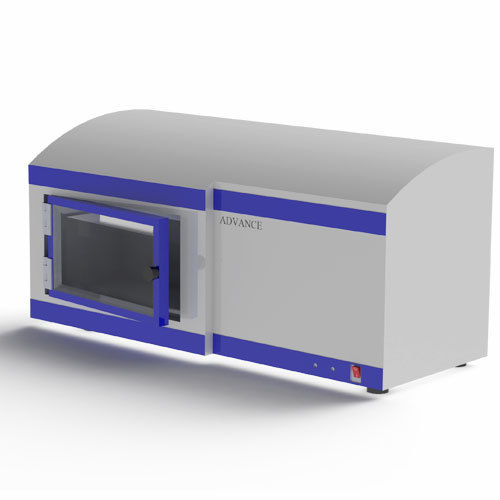
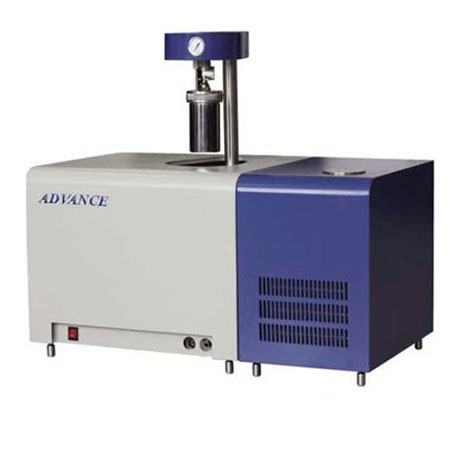
Equipped with a high-precision furnace that reaches temperatures up to 1350, the analyzer employs either infrared absorption or titration methods for detection. Digital PID control guarantees consistent heating profiles, maximizing analytic reliability for a wide variety of solid sample forms.
User-centric Design and OperationThe instrument combines a touch screen and keypad interface, streamlining workflow for laboratory technicians. Automated microprocessor control and flexible calibration optionsmanual or automaticenhance ease of use and reduce manual intervention during operation.
Comprehensive Data ManagementWith direct connectivity to USB, printer, or computer, users can efficiently manage test results. The analyzers memory stores up to 999 results, enabling extensive record-keeping and review to support quality assurance and regulatory compliance in industrial labs.
FAQs of Automatic Sulphur Analyzer:
Q: How does the Automatic Sulphur Analyzer determine sulfur content in solid samples?
A: The analyzer utilizes either infrared absorption or titration methods (depending on the model). Samples are heated in a high-precision furnace up to 1350, and the sulfur content is measured with high accuracy and resolution as per the selected detection technique.
Q: What is the process for calibrating the instrument before analysis?
A: Calibration can be performed automatically via built-in routines or manually by the operator, ensuring precise results. This flexibility in calibration aids in maintaining consistency across multiple analyses and adapting to specific sample characteristics.
Q: When should safety features such as overheat and over-pressure protection be checked?
A: Safety features are integrated into the automatic control system and continuously monitored during operation. It is recommended to verify the status of alarms during initial setup and ensure they function properly before each testing cycle.
Q: Where is this analyzer primarily used and what industries benefit from its capabilities?
A: This equipment is mainly used in industrial laboratories for the determination of sulfur in coal, coke, and solid fuels. Energy, metallurgy, and mining industries rely on its accurate analysis for quality control and compliance studies.
Q: What are the benefits of using automatic microprocessor control in this analyzer?
A: Automatic control minimizes user intervention, speeds up analysis times to 2-3 minutes per sample, and ensures reproducible results. It also manages data logging, calibration, and safety monitoring, making operations efficient and reliable.
Q: How many samples can be analyzed with this instrument in a typical day?
A: The analyzer is capable of processing up to 36 samples per day, with each analysis taking approximately 2-3 minutes, making it suitable for daily workflows in busy laboratory settings.
Q: What sample forms and sizes are compatible with the Automatic Sulphur Analyzer?
A: The instrument is designed to analyze solid samples in the form of powders or pellets, with an optimal specimen size between 0.2 and 0.5 grams per analysis, ensuring versatility for various material types.